Personal Injury Attorney Marketing in 2026
It’s officially 2026. If you’re an accident injury lawyer looking to land new case leads, today’s article is a must-read. We’re outlining personal injury attorney marketing in 2026. From Senate Bill 37 and SB 931 regarding consumer legal funding to major search marketing updates, such as changes to Google Ads for personal injury attorneys, this article will bring you up to speed with 2026 personal injury lawyer advertising and lead generation highlights.
As always, Legal Leads Group loves to help accident attorneys with ZERO strings attached. If you’re interested in learning more about personal injury attorney marketing or Google Ads for personal injury lawyers, call us at (805) 273-8791 or click here to drop us a line. We love to talk shop, and we provide free paid ads and organic SEO courses. While today’s article is chalked full of knowledge, if you prefer to discuss a potential campaign, we’re here to help. Grab a pen and paper, and let’s dive into personal injury attorney marketing in 2026.
Today, we will cover the following topics:
- What’s New in 2026 for Accident Injury Attorneys?
- Personal Injury Attorney Google Ads Updates
- How Traditional Marketing is Ever More Important in 2026
- The Power of Specialized Live Intake Teams
- The Pros and Cons of AI for Personal Injury Lawyers
- How to Land More Case Leads for Your Personal Injury Law Firm
Without further delay, let’s do this.
What’s New in 2026 for Accident Injury Attorneys?
As we said right off the rip, SB37 and SB931 are major changes for California personal injury attorneys. And, there are other bills out there that could eventually impact accident injury attorneys in other states.
SB 37 and SB 931: What Do They Mean for Personal Injury Attorneys?
In 2026, California personal injury attorneys are facing a shifting legal landscape, prompted by new consumer protection laws such as Senate Bill 37 (SB 37) and Senate Bill 931 (SB 931). Both of these bills specifically target practices within consumer legal funding, designed to improve transparency and ensure fair treatment of clients while introducing stricter regulations on how personal injury firms operate. Let’s delve into each of these laws and their implications.
SB 37 Overview: Consumer Legal Funding Oversight
SB 37 is a landmark bill that mandates increased transparency in consumer legal funding agreements. Pre-settlement funding has long been a crucial resource for clients who need financial support while waiting for the resolution of their personal injury claims. However, this new bill imposes tighter guardrails to protect clients from predatory practices.
Key provisions in SB 37 include:
- Clear Disclosure Requirements: All legal funding agreements must explicitly detail the interest rates, additional fees, and repayment schedules to ensure clients understand the financial obligations they are undertaking.
- Fair Interest Rate Caps: The bill introduces limits on interest rates that consumer lenders can charge, aiming to prevent excessive increases that can erode clients’ settlement payouts.
- Mandatory Licensing: Funding companies must acquire specific licensure, and compliance will be routinely monitored.
How does this affect personal injury attorneys?
- Attorneys may need to rethink or renegotiate arrangements with legal funding providers to stay compliant with these new regulations. Any non-compliance could expose attorneys to legal liabilities, reputational damage, or sanctions.
- Firms must also proactively educate their staff and clients about these new requirements to build trust and ensure smooth financial communication during litigation.
SB 931 Overview: Tighter Litigation Funding Regulations
While SB 37 addresses transparency, SB 931 places even stricter controls on how litigation funding operates. Often referred to as the “Litigation Loan Reform Bill,” SB 931 focuses on restricting certain funding sources and requiring full disclosure from attorneys working with lending institutions.
Highlights of SB 931 include:
- Prohibited Practices: Attorneys are now explicitly prohibited from recommending or initiating financing arrangements in which they have a financial stake—removing the potential for conflicts of interest.
- Transparent Fee Sharing: Law firms must disclose any referral payments, administrative fees, or financial benefits they receive from third-party litigation funders.
- Impact on Contingency Fees: This bill also limits how legal fees can be taken from settlement payouts when client funding is involved, potentially reducing profit margins for attorneys who rely heavily on contingency structures.
What can personal injury attorneys do to adapt?
- Revise Fee Agreements: Firms may need to rewrite client fee agreements to ensure they comply with new legal mandates while maintaining profitability.
- Collaborate with Reputable Funders: Partnering with trustworthy funding companies that follow compliant practices will mitigate risks.
- Invest in Legal and Financial Training: Ongoing training helps attorneys and staff stay informed about compliance updates, reducing the risk of fines or lawsuits.
The Ripple Effect Across the U.S.
While these are California laws, legal experts predict that SB 37 and SB 931 will set a national precedent. Other states are already considering similar regulations as debates around consumer protection in personal injury law gain momentum. For firms operating across different states, understanding and staying ahead of these potential regulatory changes could give them a significant advantage in an intensely competitive market.
Emerging Technologies for Attorneys
In addition to regulatory changes, 2026 is also a year of massive technological advancements that are revolutionizing how personal injury attorneys manage cases and market themselves. Competition in the legal industry is fiercer than ever, and adopting cutting-edge technology is no longer optional—it’s a necessity.
AI-Driven Analytics Platforms
Artificial intelligence (AI) remains a powerful tool for streamlining personal injury firm operations. In 2026, new AI platforms are helping attorneys identify trends and optimize strategies based on historical performance and client data.
How AI can help personal injury attorneys:
- Lead Targeting: AI is used to analyze data and identify high-value leads with a higher likelihood of conversion, saving time and money on marketing.
- Enhanced Decision-Making: Predictive analytics can forecast case outcomes or identify patterns in settlement trends, giving attorneys a strategic edge.
- Cost and Time Efficiency: Legal document automation powered by AI can draft, review, and even summarize contracts or evidence, significantly reducing workloads.
Chatbots with Natural Language Processing (NLP)
Personalized client communication has drastically improved thanks to tools powered by natural language processing (NLP). Law firms are incorporating AI chatbots that streamline client intake while creating a responsive, user-friendly experience on their websites.
Benefits include:
- 24/7 Availability: Clients can engage with law firms and schedule consultations at any time without waiting for a live representative.
- Automatic Data Collection: Chatbots can quickly capture necessary client details, reducing intake costs and streamlining future follow-ups.
- Enhanced Accessibility: Multilingual chatbots are making it easier for law firms to market their services to a broader range of clients, catering to diverse populations.
Virtual Courtroom Technology
Virtual litigation and court appearances are still a mainstay in 2026 as more courtrooms shift online. With advancements in teleconferencing tools and secure file-sharing platforms, attorneys spend less time traveling and more time focusing on case preparation.
How Attorneys Can Stay Ahead of the Curve
- Stay Informed: Regularly monitor updates on legal reforms and digital marketing trends to adapt quickly.
- Invest in Training: Implement training sessions to educate staff about new tools, compliance changes, and client management strategies.
- Develop a Multi-Faceted Approach: Employ a blend of technology, compliance capabilities, and client-centered strategies to not just adapt but thrive in this new era of personal injury law.
By staying proactive about legislative and technological changes, personal injury attorneys can not only navigate potential challenges but also seize new growth opportunities in 2026 and beyond.

Personal Injury Attorney Google Ads Updates
Marketing in the legal industry has always come with unique challenges, and Google Ads remains one of the most essential tools in a personal injury attorney’s strategy. However, 2026 has brought significant updates to Google’s advertising policies, which directly impact how personal injury lawyers can promote their services online. Staying informed and adjusting your Google Ads strategy accordingly will ensure you remain competitive and effectively generate high-quality leads for your practice.
Here’s a closer look at the latest changes to Google Ads in 2026:
1. Stricter Compliance Standards
In 2026, Google Ads for personal injury attorneys face heightened scrutiny, largely aligned with evolving industry legislation and consumer protection regulations like SB 37 and SB 931 (discussed earlier). Google has introduced stricter compliance guidelines related to legal advertising practices to ensure ethical promotion and transparency.
Some of these standards include:
- More Transparent Ad Copy Requirements: Ad titles and descriptions must accurately reflect the services you offer. Overly vague or exaggerated promises (e.g., “Guaranteed $1M Settlement!”) are now banned.
- Enhanced Ad Approvals Process: Law firms must provide documentation to verify claims about experience, client outcomes, licensing, and certifications before their ads are approved.
- Geographic and Jurisdictional Targeting Restrictions: Google now tracks and limits personal injury ads to users searching within specific jurisdictions where your firm is licensed to practice, preventing misleading advertising in regions outside your scope of service.
Failure to comply with these policies can lead to ad disapprovals, account suspensions, or even permanent bans. Partnering with a digital marketing professional who specializes in Google Ads for attorneys is strongly recommended to ensure adherence to these evolving regulations.
2. AI-Powered Strategies in Ad Bidding
Google’s increasing reliance on machine learning (ML) has introduced significant changes to how ads are placed, priced, and optimized. These advancements have greatly streamlined the ad bidding process, ensuring higher returns on investment for personal injury attorneys.
Key updates related to AI in ad bidding:
- Smart Bidding Features: Google’s smart bidding tools now incorporate enhanced AI algorithms that optimize bids in real-time. For example, if the AI detects a user searching for terms like “best accident attorney near me” and identifies them as likely to take action, it will automatically increase your bid to ensure your ad is shown to that user.
- Behavioral Targeting Insights: With Google’s ML technologies, behavior patterns such as search trends, device usage, and even the time spent on a page can now inform ad placement decisions. Target users at optimal times when they are most likely to engage.
- Automated Landing Page Optimization: Google Ads now integrates with SEO and UX tools to suggest content or layout changes for landing pages. Enhanced landing experiences lead to higher Quality Scores, which lower cost-per-click (CPC).
How attorneys are capitalizing on this:
Personal injury firms are using these AI tools to eliminate guesswork around bidding strategies, allowing them to focus on creative ad development and lead conversion rather than spending hours on manual optimizations. The result? Maximized efficiency and reduced ad spend wastage.
3. Increased Focus on Mobile-First Advertising
Personal injury lawyers are watching the trend of mobile-first searches grow even more dominant in 2026. With nearly 70% of all Google searches conducted via mobile devices, Google has prioritized mobile-optimized ads like never before. This means that law firms must ensure their ads and landing pages load quickly and display perfectly on smaller devices.
Important mobile-first changes in 2026:
- Faster Speed Requirements: Slow-loading landing pages or ad destinations now face penalties in ad rank. Reports show that ads leading to pages with loading times above three seconds experience a dramatic drop in visibility.
- Mobile-Specific Ad Extensions: Call-only campaigns and click-to-call extensions are becoming staples for personal injury law firms, especially for targeting prospective clients who want immediate support. Call extensions now benefit from better placement and more robust reporting tools in Google Ads.
Expert Tips for Maximizing ROI with Google Ads
With these new updates in mind, here are expert strategies to ensure your personal injury law firm’s Google Ads campaigns stay competitive while delivering the highest possible ROI.
1. Target Local Intent
One of the best ways to attract high-quality leads is by honing in on local searches that demonstrate strong intent. Search terms like “personal injury attorney near me” or “best accident lawyer in [city]” indicate that a user is actively looking for representation, making them a prime candidate for conversion.
How to succeed with local targeting:
- Use tools like Google’s Location Targeting to focus ads within your service area. Refine this by drilling down into specific neighborhoods using geofencing.
- Highlight location-specific keywords in your headlines. For example, “Los Angeles Personal Injury Attorney – Free Consultations!”
- Leverage Google’s Local Services Ads (LSAs): These ads are tailored specifically for service-based industries, like law firms, and are pay-per-lead, which means you only pay when someone contacts you.
2. Utilize Negative Keywords Effectively
While bidding on popular keywords like “car accident lawyer,” it’s also essential to avoid wasting your budget on irrelevant clicks. This is where negative keywords come in handy.
What are negative keywords?
Negative keywords signal to Google that you don’t want your ads to show for certain search phrases. For example, if your law firm focuses on serious personal injury cases, you might set “public defender” or “free lawyer” as negative keywords to prevent your ad from showing to people searching for free legal services or unrelated practices.
Where to start?
- Use Google’s Search Terms Report to identify phrases that trigger your ads but aren’t likely to convert into leads.
- Continually refine your list of negative keywords based on campaign performance and evolving search behaviors.
3. Leverage Video Ads
By 2026, video content continues to outperform most other forms of advertising. With more consumers preferring video for information and entertainment, including video ads in your Google Ads marketing strategy is essential.
Best practices for video advertising on Google Ads:
- Create Short, Captivating Clips: Keep your videos between 15-30 seconds, ensuring they capture attention quickly and deliver a clear call to action (e.g., “Contact us today!”).
- Highlight Your Unique Value Proposition (UVP): Differentiate yourself by emphasizing experience, awards, testimonials, or a no-win-no-fee guarantee.
- Utilize YouTube Ads: Leverage in-stream ads and discovery ads on YouTube, where more than 2 billion active users spend countless hours watching content.
4. Double Down on Remarketing Campaigns
In 2026, data shows that 4 out of 5 potential clients won’t convert on their first interaction with your website. Remarketing is the key to bringing them back.
What is remarketing?
Remarketing in Google Ads is a way to reach potential clients who have previously visited your website but didn’t convert. These individuals may have browsed your legal services but left your site without completing a contact form or booking a consultation.
How to maximize remarketing success:
- Customize ads to reflect the pages the user visited. For instance, if they browsed your “pedestrian accident attorney” page, show ads specifically targeting that practice area.
- Offer value-driven incentives, like free consultations or limited-time assessments, to re-engage those individuals.
- Set frequency limits to make sure potential clients aren’t overwhelmed by your ads, keeping their experience positive.
The Future of Google Ads for Personal Injury Attorneys in 2026
In the competitive legal landscape of 2026, Google Ads will continue to be a dominant force in personal injury lawyer marketing. By understanding and adapting to the platform’s latest updates—such as leveraging AI bidding tools, prioritizing mobile-first designs, and crafting compelling video ads—your law firm can position itself as a leader in the industry. The key lies in keeping your campaigns flexible, aligned with compliance regulations, and targeted to connect with high-intent users.
How Traditional Marketing is Ever More Important in 2026
In the digital-first era, it might seem surprising that traditional marketing methods are experiencing a noticeable revival, even in industries as forward-focused as law. Yet in 2026, traditional marketing plays a crucial role in building trust, fostering brand credibility, and creating a lasting impression on potential clients. While digital advertising continues to dominate the marketing landscape, the enduring power of traditional strategies like TV commercials, radio ads, direct mail, and out-of-home (OOH) advertising such as billboards proves they are far from outdated.
What makes traditional marketing so effective in 2026? The answer lies in its ability to resonate emotionally with local audiences and enhance brand authenticity. For personal injury attorneys especially, establishing trust is paramount; traditional channels offer a human touch that digital platforms often struggle to emulate. Amidst the growing saturation of digital advertising, traditional outlets provide a refreshing alternative, enabling law firms to stand out and make meaningful connections with their audience.
Key Traditional Marketing Strategies Driving Results in 2026
If you think digital marketing is powerful, you need to look into traditional ads for personal injury attorneys. TV is still the 800 pound gorilla of adveriting and lead generation for accident injury lawyers.
1. TV Advertising’s Continued Impact
Television remains one of the most powerful traditional marketing formats available in 2026. While streaming platforms dominate content consumption globally, live broadcasting still has a significant tune-in rate, particularly for local news, sporting events, and regional programming. Personal injury law firms can leverage TV broadcasts to reach diverse demographics simultaneously, particularly older adults—an audience segment less active online but more trusting of television ads.
Why TV ads work so well:
- Reputation Building: TV offers visual and emotional engagement, allowing attorneys to showcase their firm, success stories, and testimonials in a way that builds credibility.
- Local Connections: Ads can be broadcast on regional networks or during local programming, helping attorneys make an impression within their specific markets.
- Massive Reach: Unlike digital advertising, which targets individuals based on intricate algorithms, TV ads often offer broader reach, enabling law firms to reach potential clients across various demographics.
To maximize results, law firms are blending traditional TV ads with digital offerings like YouTube TrueView and connected TV ads, combining the best of both worlds for an integrated approach that drives conversions.
2. The Timeless Effectiveness of Billboards
In 2026, traffic remains a constant reality in urban and suburban areas. As people commute for work, appointments, or recreation, billboards remain a staple of traditional marketing—particularly for personal injury attorneys looking to tap into moments when potential clients are thinking about accidents or personal safety.
Why law firms still invest in billboards:
- Strategic Placements Yield High Visibility: Personal injury attorneys often place billboards near high-traffic areas like highways, major intersections, and even near hospitals or medical centers. When potential clients see an attorney’s contact information multiple times during their commute, it builds familiarity and instills the firm’s name in their memory for when the need for legal representation arises.
- Instantaneous Communication: A billboard offers a punchy, clear message with high-impact visuals that capture attention within seconds, leaving a lasting impression even after just one glance.
Pro Tip: Pair a billboard campaign with a QR code linking directly to your website or a downloadable lead magnet. This allows you to blend traditional and digital marketing while driving more traffic to your online platforms.
3. Radio and Podcast Sponsorships: Audio’s Growing Role
Despite the explosion of streaming services, radio continues to be a trusted medium for reaching local audiences, especially during commutes. In 2026, spending on traditional radio ads has remained consistent for law firms, but a newer format has emerged as a complement: podcast sponsorships.
Benefits of radio ads and podcast sponsorships for law firms:
- Trust and Familiarity: Radio talk shows and podcasts foster personal relationships with their audiences, giving law firms the opportunity to align themselves with trusted hosts. These relationships can transfer trust to your firm if your target audience associates you with their favorite local personality or show.
- Hyperlocal Targeting: Ads on local radio stations ensure coverage of key markets, particularly those frequently overlooked by digital platforms.
- Growing Podcast Trends: Podcasts now dominate audio content consumption, and in 2026, they have found firm footing in many niches, including legal advice podcasts. Sponsoring a popular local or legal podcast in your niche allows you to reach an audience already interested in legal topics, making them warm leads for your services.
4. Direct Mail Campaigns with a Modern Twist
While snail mail was slowly being phased out in favor of emails and online promotions, it’s making a comeback as an effective traditional marketing tool—especially to target local residents in 2026. However, today’s direct mail campaigns are more strategic, blending personalization and data-driven insights to maximize engagement.
Why direct mail works for personal injury attorneys:
- Physical Tangibility: A well-designed mail piece can grab attention and linger in a client’s home, creating a physical touchpoint that digital ads can’t replicate.
- Personalization: Thanks to AI and marketing automation tools, law firms can create hyper-personalized direct mail campaigns based on factors like the recipient’s location, demographics, or even recent events (e.g., neighborhoods with a rise in reported accidents).
- Creative Formats: Law firms are now using creative direct mail formats—like postcards with detachable business cards or envelopes containing testimonials from satisfied clients—or even driving prospects to websites with unique discount codes for free consultations.
Pro Tip: Follow up on direct mail campaigns with digital retargeting ads to create a seamless marketing experience that keeps your firm top of mind.
Combining Traditional and Digital Marketing in 2026
The real power of marketing in 2026 lies in integrating traditional and digital strategies to create a hybrid approach that captures attention across multiple touchpoints. By combining traditional outreach efforts with cutting-edge digital tools such as Google Ads, data analytics, and retargeting ads, personal injury attorneys can amplify their reach and achieve better results.
Examples of Effective Hybrid Campaigns for Law Firms:
Billboards + Google Ads
Place billboard ads in carefully selected high-traffic areas, like highways or near hospitals. Simultaneously, run location-targeted Google Ads campaigns targeting the same geographic areas. That way, potential clients see the billboard during their day-to-day travel and are later reminded of your firm while browsing online or searching for legal services.
TV Ads + Social Media Campaigns
Invest in high-quality TV ads to air during local news or high-visibility events, emphasizing your firm’s story, experience, and focus on client success. Extend the reach of your campaign by sharing snippets of the same TV commercial on social media platforms like Instagram, Facebook, and YouTube. Boost the videos with paid social media ads that ensure they are seen widely in your community.
Podcasts + Email Marketing
Sponsor a popular legal or local podcast that aligns with your target audience. Include your name, contact information, and a key benefit of your services in the ad read by the trusted podcast host. Then, leverage email marketing campaigns to reinforce your message by sending timely, personalized communications about your expertise and free consultation services.
Print Mail + Digital Retargeting
Distribute beautifully designed print mail campaigns to local neighborhoods, featuring client success stories, settlements, and clear calls to action. Back this up by using Google’s Customer Match feature, which allows you to upload lists of customer information (like email IDs collected from direct mail responses) to effectively retarget these leads with follow-up ads on Google or YouTube.
Why Traditional Marketing Still Holds Value in 2026
As the digital world becomes increasingly competitive and saturated with ads, traditional marketing offers a unique way to cut through the noise and engage with potential clients. Traditional channels complement—and sometimes amplify—the impact of digital strategies. Emotional appeal, trust-building, and the ability to reach an audience that isn’t fully immersed in the digital world make television, radio, billboards, and mail vital components of a successful legal marketing campaign.
For personal injury law firms in 2026, it’s not about choosing between traditional and digital marketing. It’s about combining both to create a stronger, more comprehensive strategy that helps you stand out, builds trust, and generates quality leads.
The Power of Specialized Live Intake Teams
In the competitive world of personal injury law, where clients often shop around for the attorney they trust the most with their case, simply generating leads is no longer enough. Converting those leads into loyal clients requires immediate, effective, and personal engagement—something that specialized live intake teams deliver with unmatched precision.
As we enter 2026, client expectations continue to evolve. Prospective clients now demand timely responses, personalized service, and compassion, especially in high-stress situations like accidents or injuries. Unlike automated chatbots or voicemail systems that may feel cold and impersonal, live intake teams provide an essential human connection that reassures prospective clients they are in the right hands.
Specialized live intake teams are much more than call center operators—they’re the bridge between potential clients and the law firm’s marketing and legal services. By offering immediate, empathetic interactions, live intake professionals have become the backbone of lead conversion efforts for personal injury law firms.
Key Benefits of Hiring Live Intake Professionals
Hiring specialized live intake teams can significantly improve a law firm’s ability to attract, convert, and ultimately retain clients. Let’s dive deeper into the unique advantages they bring to the table in 2026:
1. Immediate Response to Inquiries
In personal injury law, speed is often the deciding factor in whether a prospective client chooses your firm over others. The moments following a personal injury incident are critical—clients are actively searching for an attorney to represent their case, and hesitation or lack of urgency can lead them to take their case elsewhere.
- Availability Matters: Live intake teams ensure there is always someone available to provide a quick and professional response, whether it’s a phone call, text, website chat, or email inquiry. This is especially crucial during evenings, weekends, and holidays when many firms are closed. Prospective clients facing trauma don’t want to wait until the next business day.
- 24/7 Accessibility is a Differentiator: A 24/7 live intake system demonstrates that your law firm prioritizes client needs and navigates with urgency. A quick response can reassure prospects and make your firm stand out as dependable and professional.
Stat to Consider:
According to recent industry studies, law firms responding within the first 5 minutes of an inquiry are 4x more likely to convert leads than those waiting even 30 minutes to reply.
2. Personalized Client Experience
Hiring a live intake team places a human voice and compassionate demeanor at the forefront of your client interactions. Prospective clients often reach out to personal injury attorneys in moments of physical and emotional crisis—they may have been in a traumatic car accident, experienced a workplace injury, or lost a loved one in a wrongful death case.
What live intake teams offer:
- Building Trust from the First Conversation: A live intake team is trained to actively listen, empathize, and offer reassurance to nervous or confused clients, making them feel valued. These initial on-point conversations establish an immediate sense of comfort and confidence in your firm’s professionalism and commitment.
- Tailored Responses to Individual Needs: Unlike standard receptionists or chatbots, specialized live intake personnel are trained to ask probing questions to identify important case information while addressing the client’s unique concerns. This ensures a more rewarding and custom-tailored experience from the very first point of contact.
- Flawless Communication Skills: Live intake specialists are trained to handle both first-time inquiries and follow-ups seamlessly, while maintaining a calm, reassuring tone—qualities that are essential for dealing with individuals suffering from distress or frustration.
Pro Tip: Personalize the client’s experience even further by integrating modern CRM systems that allow the live intake team to record notes from each interaction. This ensures the legal team has a clear understanding of the client’s case when following up.
3. Higher Conversion Rates
Generating leads requires significant investment in marketing campaigns like SEO, Google Ads, TV commercials, or social media advertising—all designed to get people to contact your firm. But without a live intake team to handle inquiries, many leads can end up abandoned or wasted.
- Trained to Address Objections: Unlike automated systems or untrained receptionists, live intake professionals are skilled in overcoming objections, calming hesitations, and asking the right questions to connect with leads emotionally and secure their commitment.
- Lead Qualification: Intake specialists understand how to qualify leads during the first interaction, quickly determining whether they fit the firm’s criteria. This reduces the burden on attorneys and allows them to focus on cases that align with the firm’s expertise.
- Real-Time Scheduling: Many live intake teams also handle scheduling for formal consultations, ensuring a seamless transition from lead to signed client.
Impact on Conversion Rates:
Studies reveal that law firms with live intake teams see 25%-50% higher lead conversion rates compared to those relying solely on voicemail or automated systems.
4. Bridging the Gap Between Marketing and Operations
One of the unique strengths of live intake teams is their role as an intermediary between a firm’s marketing efforts and the actual process of onboarding clients. They serve as the linchpin that connects potential clients drawn in by ads, SEO, or other marketing efforts to the legal services your firm provides.
What does this mean for your law firm?
- Improved ROI on Marketing Campaigns: Every lead captured through a Google Ads campaign, Facebook ad, or SEO efforts is handled promptly and professionally, increasing the likelihood of conversion and improving your return on investment.
- Data Collection and Reporting: Many live intake platforms provide detailed analytics and call tracking abilities. These insights—such as the client’s initial concerns, how they found your firm, or even which ads prompted their inquiry—help refine future marketing campaigns and improve performance.
- Streamlined Onboarding Processes: Dedicated intake specialists can answer potential clients’ preliminary questions, collect necessary details about the case, and ensure all relevant documentation is ready for attorney review, allowing your team to operate more efficiently.
Key Features of a Specialized Live Intake Team
If you’re considering incorporating specialized live intake services into your firm’s operations, here are some key elements to look for or implement:
- Legal Expertise: While intake teams don’t need to offer legal advice, they should be well-versed in legal terminology and understand your firm’s case types so they can effectively qualify leads and address initial client concerns.
- 24/7 Availability: Clients expect round-the-clock assistance. Many firms rely on outsourcing their intake services to specialized providers when in-house resources cannot cover night and weekend hours.
- Bilingual/Multilingual Capabilities: In our globalized world, providing intake services in multiple languages can significantly expand your client base. This is especially critical in diverse metropolitan areas where clients often speak Spanish, Mandarin, or other languages.
- Seamless Integration with Technology: A top-tier intake team uses CRM systems to log call details, capture case specifics, and even plug in notes or updates directly into client folders. These tools allow for robust tracking and facilitate a seamless transition to the legal team.
Live Intake Teams: The Future of Personal Injury Firm Success
The legal landscape of 2026 is faster-paced and more competitive than ever. In this environment, the personal injury law firms that thrive aren’t just those with a strong online presence but also those that recognize the importance of personalizing client engagement and maximizing lead conversion.
A well-trained live intake team bridges the crucial gap between marketing and representation—ensuring prospective clients receive swift, compassionate attention the moment they reach out. It’s a strategic investment that pays off through improved client satisfaction, higher conversion rates, and better ROI for your marketing campaigns.
Integrating a high-functioning live intake team into your firm may very well be the game-changer you need to lead in an increasingly competitive marketplace.
The Pros and Cons of AI for Personal Injury Lawyers
As artificial intelligence (AI) technology continues to evolve, its potential applications in the legal industry—specifically within personal injury law—are transforming the way firms approach their operations and client interactions. AI offers a wealth of efficiency gains and data-driven insights, particularly in areas such as marketing and client engagement. However, as much as AI presents remarkable opportunities, it also has its limitations, especially when applied to the highly personal and emotional nature of personal injury law.
Below, we’ll delve deeper into the pros and cons of integrating AI into personal injury lawyer advertising and provide insights on how to strike the right balance between automation and human connection.
The Pros of AI in Personal Injury Lawyer Advertising
The adoption of AI tools in personal injury law firm marketing is revolutionizing the industry, offering efficiency, data analytics, and tailored client interactions. By leveraging the power of machine learning algorithms and natural language processing, law firms can expand their advertising strategies, improve customer service, and enhance their brand presence. Here are a few key advantages:
1. Automated Workflows
Legal marketing involves many repetitive administrative tasks, from managing client intake to handling appointment scheduling. AI can help automate these processes, freeing up time for lawyers and their teams to focus on higher-value activities such as client consultation and case preparation.
Examples of automated workflows:
- Lead Nurturing: AI-driven customer relationship management (CRM) tools can automatically track and engage leads, sending follow-up emails, reminders, and updates without requiring manual involvement.
- Social Media Automation: AI-powered programs like Hootsuite, Buffer, and HubSpot can schedule, optimize, and manage multi-platform posting for your firm, keeping your brand consistent and active online.
- Client Intake Management: AI bots can initiate interactions with new clients, collect essential details (e.g., accident date, type of injury, contact information), and input this data into your legal case management system seamlessly.
The Takeaway: Automating these workflows leads to faster response times, improved operational efficiency, and a more professional impression, all of which positively impact the client experience.
2. Predictive Analytics for Better Marketing Decisions
AI is highly adept at processing vast amounts of data to identify patterns, trends, and insights. In the competitive field of personal injury law, AI can help you make smarter, data-driven decisions for your marketing initiatives by predicting what tactics will engage your target audience most effectively.
How predictive analytics works in practice:
- AI can analyze historical client data, such as geographic locations, demographics, and case types, to identify your ideal audience.
- Predictive analytics can determine which digital marketing campaigns (Google Ads, Facebook campaigns, or content marketing) deliver the highest return on investment (ROI) and suggest a more targeted approach for your advertising spend.
- AI can anticipate client needs and behavior, helping you plan legal strategies or adapt your marketing messages to resonate better with potential clients.
For example, if AI identifies that local billboards surrounding a particular hospital yield the highest call volume for motor vehicle accident cases, you can increase your presence in that area.
3. Personalized Client Interactions at Scale
AI-powered tools such as chatbots and virtual assistants enable personal injury law firms to engage with potential and current clients 24/7, in a personable and efficient manner.
Here’s how AI personalizes client interactions:
- AI Chatbots: Advanced chatbots can hold natural, conversational interactions with website visitors, providing information on your services, answering FAQs, and even assisting with the initial client intake process. With natural language processing (NLP), these bots can detect emotional cues and respond in a compassionate and professional manner.
- Targeted Messaging: AI tools can analyze client preferences and history to create more personalized marketing campaigns, presenting potential clients with relevant messaging or services based on their specific needs.
Example: A potential client fills out a contact form on your website about a workplace injury. An AI chatbot can automatically greet them, provide immediate information about the firm’s capabilities, and guide them to schedule a free consultation—all without human intervention.
The Takeaway: AI allows your firm to scale client engagement without losing the ability to offer tailored, timely communication. This can particularly benefit firms that cannot afford to hire a large support team but still aim to maintain seamless customer service.
The Cons of Using AI in Law Firm Marketing
Despite its many advantages, AI is not without its challenges. Over-relying on it can carry significant risks, particularly in a field like personal injury law, where empathy, professionalism, and emotional intelligence are crucial. Here are some of the drawbacks of incorporating AI into your legal marketing strategies:
1. Loss of Personal Touch
Personal injury law involves individuals who are often in crisis—they may feel scared, overwhelmed, or confused after suffering an injury or trauma. These clients may seek reassurance, trust, and compassion—qualities that are difficult for machines or AI programs to emulate.
Potential Issues:
- Clients Feeling Alienated: A chatbot or boilerplate email may inadvertently come across as cold or impersonal, creating a disconnect with potential clients.
- Missed Nuances: AI, while sophisticated, may misinterpret subtle language cues or emotional undertones, especially in cases where a client’s request is complicated or atypical. For instance, a chatbot might not understand the urgency or severity of a specific scenario, leading to missed opportunities to connect with clients.
The Takeaway: While chatbots and AI can handle straightforward interactions and FAQs, emotionally critical points of contact—such as follow-ups or queries about case outcomes—should still involve human beings who can provide personalized and empathetic support.
2. Initial Costs and Complexity
Though AI adoption can save time and money over the long term, the implementation, customization, and training associated with AI solutions often require significant upfront investment.
Challenges with implementing AI in personal injury law firms:
- High Initial Costs: Building custom AI solutions tailored to your firm’s needs may require substantial investment in resources, IT infrastructure, and ongoing maintenance.
- Staff Training Requirements: Your staff will need to be trained to work with AI tools and use them effectively. Without proper training, the efficiency and accuracy of the tools may be reduced.
- Complexity of Adaptation: Certain systems require integration with existing case management software and internal processes. This can pose technical challenges during initial implementation.
The Takeaway: Firms must carefully consider the long-term benefits and choose solutions that won’t create more problems than they solve. Starting with user-friendly, well-established AI platforms reduces the risk of overcomplication.
3. Overreliance and Security Risks
AI tools are only as effective as the data they’re working with. Over-dependence on AI can lead to avoidable errors, such as miscommunication, skewed data analysis, or inappropriate responses. Additionally, the use of AI raises concerns about client data security and privacy.
Potential Pitfalls to Watch Out For:
- Overreliance and Errors: AI is not infallible; it can misinterpret complex or nuanced client questions, leading to misinformation or even unethical outcomes that could tarnish a firm’s reputation.
- Data Security Issues: Personal injury firms often collect sensitive client information such as medical records or accident details. Storing this data in AI-dependent systems may raise privacy and cybersecurity risks, particularly if the AI solution is cloud-based. Data breaches could result in lawsuits, legal penalties, or loss of client trust.
The Takeaway: While adopting AI can provide a competitive edge, it’s vital to regularly review and monitor its output, build safeguards into your systems, and leverage robust cybersecurity protocols to protect client data.
Striking the Right Balance
In 2026, the key to leveraging AI effectively in personal injury lawyer advertising is using it as a strategic tool to complement human expertise, not replace it.
Combine AI Automation with Human Interaction:
- Utilize AI to handle repetitive or preliminary tasks, such as gathering client information, managing schedules, and sending general updates.
- Ensure tasks that require empathy, critical thinking, or legal nuance remain firmly in the hands of skilled intake specialists, paralegals, and attorneys.
Start Small:
Small and medium-sized firms that cannot afford expansive AI systems can start with affordable tools like chatbots, CRM automation, or analytics services. Evaluate the ROI on a small scale before expanding the integration of more advanced solutions.
Prioritize Security:
Work with reputable AI platform providers that emphasize data protection and offer compliance with legal regulations (e.g., GDPR, HIPAA) to ensure client data remains secure.
Final Thoughts
AI has revolutionized personal injury lawyer advertising by offering precision, efficiency, and scalability. It empowers firms to automate workflows, personalize client interactions, and make smarter marketing decisions—all of which are critical in a competitive landscape. However, AI has its limitations, particularly in a profession where human empathy, trust, and warmth greatly influence client outcomes.
By integrating AI strategically while maintaining a personal touch, personal injury law firms can stay ahead of the competition, offering exceptional client service while optimizing their marketing efforts.
How to Land More Case Leads for Your Personal Injury Law Firm
Personal injury law is one of the most competitive practice areas, and in 2026, the competition has only intensified. Potential clients are taking to the internet to research law firms, read reviews, and compare services before committing to a specific attorney. To succeed, personal injury lawyers need to implement effective and comprehensive marketing strategies that focus on branding, lead generation, and client retention.
Whether you’re a solo practitioner or part of a large firm, following these proven personal injury attorney marketing strategies for 2026 can significantly boost your reach, help you attract more qualified leads, and position your firm as a leader in your community.
Proven Personal Injury Attorney Marketing Strategies in 2026
Let’s face it, if you’re reading this article, you are looking to land new case leads in 2026. Keep reading below, we’ve provided detailed information and tips on a few key areas you will want to pay attention to.
1. SEO for Personal Injury Lawyers
Search Engine Optimization (SEO) has been a cornerstone in digital marketing for years, and in 2026, it remains as critical as ever. With more people researching legal options online, your firm’s visibility in search engine results can directly affect the volume of case leads you generate.
Actionable SEO Tactics for Personal Injury Lawyers:
- Target Relevant Keywords: Identify and optimize for high-intent keywords like “personal injury attorney near me,” “car accident lawyer in [city],” or “best personal injury law firm in [location].” Use tools like Google Keyword Planner or SEMrush to find keywords most relevant to your location and specialties.
- Create Engaging Content: Start and maintain a blog section on your website. Focus on specific personal injury topics such as “What to do after an accident in [your city]” or “How much is my personal injury claim worth?” Providing valuable, keyword-rich content improves your search engine rankings and positions your firm as an expert in the field.
- Optimize for Local Search: Most personal injury cases are handled within the client’s local area, so optimizing for local SEO is critical. Claim your Google Business Profile, and ensure your name, address, and phone number are consistent (and accurate) across Google Maps, Yelp, directories, and other platforms. This will boost your firm’s visibility with “near me” searches.
- Invest in Technical SEO: Ensure your website is fast, mobile-friendly, and secure (with HTTPS). Slow-loading websites or poor user experiences lead to high bounce rates, negatively impacting your search rankings.
Pro Tip: Featured snippets and voice search optimization are now essential due to the growing adoption of smart speakers and virtual assistants. Use question-based keywords and offer concise answers to make your content voice-search friendly.
2. Email Retargeting Campaigns
Email marketing remains a powerful tool for nurturing leads and staying visible to potential clients. In 2026, the key to successful email marketing isn’t just sending bulk emails—it’s about personalization. Retargeting campaigns offer a cost-effective way to maintain momentum with potential clients who weren’t ready to commit upon the first interaction.
Best Practices for Email Retargeting in Personal Injury Law Marketing:
- Segment Your Audience: Divide your email list based on where each individual is in the client journey. For instance, someone who filled out a consultation request form may need an email reminding them to schedule their consultation, while someone who downloaded a free e-book on “What to Do After a Slip and Fall” may need follow-up messaging offering your services.
- Send Personalized Content: Use information gathered during client interactions to tailor email content. For instance, follow up with a prospective client by referencing specific details they mentioned during their consultation, reinforcing that your firm understands their unique case.
- Educational Content: Provide value to your subscribers by sending helpful guides, tips, or case studies related to personal injury law. Topics such as understanding the claims process, common mistakes to avoid after a car accident, or improving chances of insurance claim approval can increase your credibility.
- Use a Call-to-Action (CTA): End every email with a clear call-to-action, such as “Schedule Your Free Consultation Today,” to encourage potential clients to take the next step.
Pro Tip: Utilize email automation platforms like Mailchimp or ActiveCampaign to schedule and personalize emails at scale, while tracking performance metrics like open rates and click-through rates to fine-tune your campaigns.
3. Social Media Advertising for Personal Injury Lawyers
Social media advertising continues to deliver strong lead generation and branding opportunities for personal injury law firms in 2026. Platforms like Facebook, LinkedIn, and Instagram are effective for reaching diverse audiences, showcasing your expertise, and driving traffic to your website.
Social Media Marketing Tips for Personal Injury Lawyers:
- Use Paid Ads for Targeted Outreach: Platforms like Facebook Ads Manager allow you to target users based on location, interests, behaviors, and more. For instance, you can create an ad targeting users who live within 50 miles of your office and recently searched for terms like “car accident lawyer” or “insurance claim help.”
- Run Video Ads: Video content remains extremely effective for capturing attention and establishing trust quickly. Creating short, informative videos about the personal injury claims process, past client successes, or your firm’s values can leave a lasting impression on potential clients.
- Leverage LinkedIn for Referrals: Personal injury lawyers can use LinkedIn to connect with other legal professionals, medical providers, or insurance adjusters who may refer clients to your firm. Posting thoughtful, relevant content strengthens your reputation and expands your referral network.
- Share Client Success Stories: Showcase testimonials or highlight successful case outcomes (with client permission) to establish credibility and trust with your audience. These stories can be shared via social media posts, ads, or even short video reels.
Pro Tip: Use retargeting ads to reach individuals who visited your website but didn’t convert. Retargeting pixels in platforms like Facebook Ads help you stay top-of-mind with potential clients, increasing the likelihood that they’ll return to your site and reach out.
4. Modern Video and Content Marketing Strategies
In 2026, video and content marketing are essential elements of a successful marketing mix for personal injury law firms. High-quality, engaging, and informative content attracts prospective clients by addressing their primary concerns and showcasing your expertise.
Content Marketing Ideas for Personal Injury Law Firms:
- Video Explainers: Create short, engaging explainer videos about common concerns, such as “What Should You Do Immediately After a Car Accident?” or “How to File a Personal Injury Claim in [City/State].” Share them on YouTube, TikTok, and Instagram to maximize visibility.
- Webinars and Live Q&A Sessions: Host webinars where you discuss personal injury topics or offer live Q&A sessions to answer common queries. These events allow potential clients to engage directly with you, building trust and rapport.
- E-books and Guides: Offer free downloadable resources like “10 Steps to Take After an Injury” or “How to Maximize a Settlement.” These resources can be offered in exchange for email addresses, building your subscriber list.
- Weekly Blog Posts: Post consistent, well-optimized blogs that address trending topics in personal injury law, such as new legislation or significant court decisions. Blogs like “How Social Media Can Impact Your Personal Injury Case” can generate website traffic from both search engines and social shares.
Pro Tip: Think beyond written content and diversify your approach. Infographics, podcasts, and live social broadcasts can help you engage with different audience preferences.
5. Client Reviews and Referrals
With intense competition in the personal injury field, positive word-of-mouth advertising is one of the most effective—and inexpensive—ways to land more case leads. In 2026, potential clients will increasingly rely on online reviews and testimonials to decide which attorney to hire.
Tips for Building Your Online Reputation:
- Ask for Reviews: After successfully resolving a client case, kindly ask for a testimonial on Google, Yelp, or Facebook. Make the process as easy as possible by providing direct links to your review pages.
- Showcase Testimonials Everywhere: Display positive reviews on your website’s homepage, social media, and even advertisements to build instant credibility with potential clients.
- Create Referral Programs: Incentivize existing clients or professional partners to refer new clients by offering thank-you gifts, discounts on legal fees, or other tokens of gratitude.
Pro Tip: Respond to reviews—whether positive or negative. Acknowledging and addressing feedback, no matter the context, demonstrates professionalism and concern for client satisfaction.
Growing Your Accident Injury Case Load in 2026
To succeed in the competitive personal injury law landscape of 2026, law firms must take a comprehensive, multi-channel approach to marketing. A mix of SEO, retargeting, social media advertising, content creation, and client relationship management is crucial to staying ahead and building a pipeline of qualified case leads.
By focusing on creating personalized, value-driven campaigns and leveraging digital tools effectively, personal injury law firms can not only attract more leads but also convert them into loyal, lifelong clients.
If you’d like more tips or assistance in developing a customized marketing strategy for your law firm, I’d be happy to help!
Best Law Firm Marketing Companies to Consider in 2026
In a highly competitive legal industry, personal injury attorneys need expert marketing strategies to land new clients and grow their firms. If you’re not managing your marketing efforts in-house, partnering with a specialized legal marketing agency can give you the competitive edge you need to stay ahead. These agencies have the expertise, tools, and proven track records to drive results for law firms of all sizes.
Below is a detailed overview of five of the best law firm marketing companies for personal injury attorneys in 2026, highlighting what makes each unique and effective.
1. Scorpion
Scorpion consistently stands out as a leading full-service digital marketing agency tailored to the legal industry. The company combines cutting-edge technology, experienced marketers, and innovative strategies to deliver comprehensive marketing solutions for law firms.
Why Scorpion is Worth Considering:
- Stunning Web Design: Scorpion is renowned for its visually captivating, user-friendly website designs that not only impress potential clients but also convert visitors into leads. Their sites are mobile-optimized, fast, and designed with a focus on creating a seamless user experience. These features make Scorpion an ideal partner for law firms looking to enhance their online presence.
- Full-Service Digital Marketing Expertise: From SEO and PPC advertising to video marketing and social media management, Scorpion provides a well-rounded suite of services designed for legal professionals. They are particularly adept at creating targeted PPC campaigns to generate immediate results.
- Innovative Technology: Their proprietary marketing dashboard enables firms to track performance metrics in real-time, helping attorneys make informed decisions about their marketing investments.
Key Takeaway: If you’re looking for a marketing partner with an eye for professional, high-performing web design and a proven record of digital marketing success, Scorpion is hard to beat.
2. Rankings.io
Rankings.io specializes exclusively in search engine optimization (SEO) for law firms. The company’s focus on organic search traffic has helped countless personal injury attorneys achieve top search engine rankings for high-intent keywords.
Why Rankings.io Stands Out:
- Organic SEO Expertise: Rankings.io is a master at helping law firms achieve first-page search engine results. Their meticulous approach to keyword research, on-site optimization, and link building ensures that your website ranks well for terms potential clients are actively searching for—like “best car accident lawyer near me” or “slip and fall attorney in [city].”
- Proven Results: Testimonials from satisfied clients highlight their ability to deliver measurable improvements in organic traffic, qualified leads, and case sign-ups. They consistently secure long-term results for their partners.
- Tailored SEO Strategies: The team at Rankings.io understands that every law firm is unique. They create customized SEO campaigns that align with your firm’s goals, whether you want to increase local leads or rank for competitive national keywords.
Key Takeaway: For law firms seeking to dominate search rankings and generate sustainable, organic leads, Rankings.io delivers exceptional SEO services backed by data-driven strategies.
3. BluShark Digital
BluShark Digital has built a stellar reputation for helping small- to mid-sized law firms grow their online visibility and attract more clients. Led by a former litigator, the company deeply understands the legal industry’s unique challenges and opportunities.
Why BluShark Digital is Effective for Personal Injury Attorneys:
- Testimonials and Case Studies: One standout strength of BluShark is its extensive library of testimonials and case studies, which showcase the success they’ve achieved for their clients. These stories serve as proof of their ability to generate impressive results, whether it’s doubling website traffic or dramatically increasing case leads.
- Holistic Digital Strategies: From SEO and paid advertising to content creation and social media, BluShark takes a full-spectrum approach to legal marketing. Their expertise in elevating smaller law firms makes them stand out.
- Client-Centric Approach: BluShark is known for its collaborative approach, working closely with clients to personalize strategies and tailor solutions to fit each firm’s specific needs and goals.
Key Takeaway: If you want to work with a marketing firm that has a proven track record of delivering results (backed by real-life case studies and client testimonials), BluShark Digital should be at the top of your list.
4. FindLaw
FindLaw has earned its reputation as one of the most recognizable names in legal marketing. They offer customizable, end-to-end marketing solutions for law firms to grow their client base and build authority in the legal space.
Why FindLaw is a Great Choice for Law Firms:
- Directory Services for Enhanced Local Visibility: A key strength of FindLaw is its highly-trafficked lawyer directory, which gives law firms access to a built-in audience of potential clients actively searching for legal help. Listing your firm in FindLaw’s directory can help improve your NAP (Name, Address, Phone Number) consistency and boost your search rankings, particularly for local SEO efforts.
- Local Marketing Solutions: FindLaw takes a tailored approach to local advertising, helping firms stand out in their specific geographic markets. They focus on enhancing your local search results to ensure that your firm appears when potential clients search for “personal injury attorneys near me.”
- Content Creation and Lead Generation: FindLaw also provides blog writing, content development, and other lead-generation services for firms seeking to establish their expertise online.
Key Takeaway: If your firm is looking to enhance local SEO visibility through directory listings and improve NAP consistency for stronger local lead generation, FindLaw is a smart investment.
5. Legal Leads Group
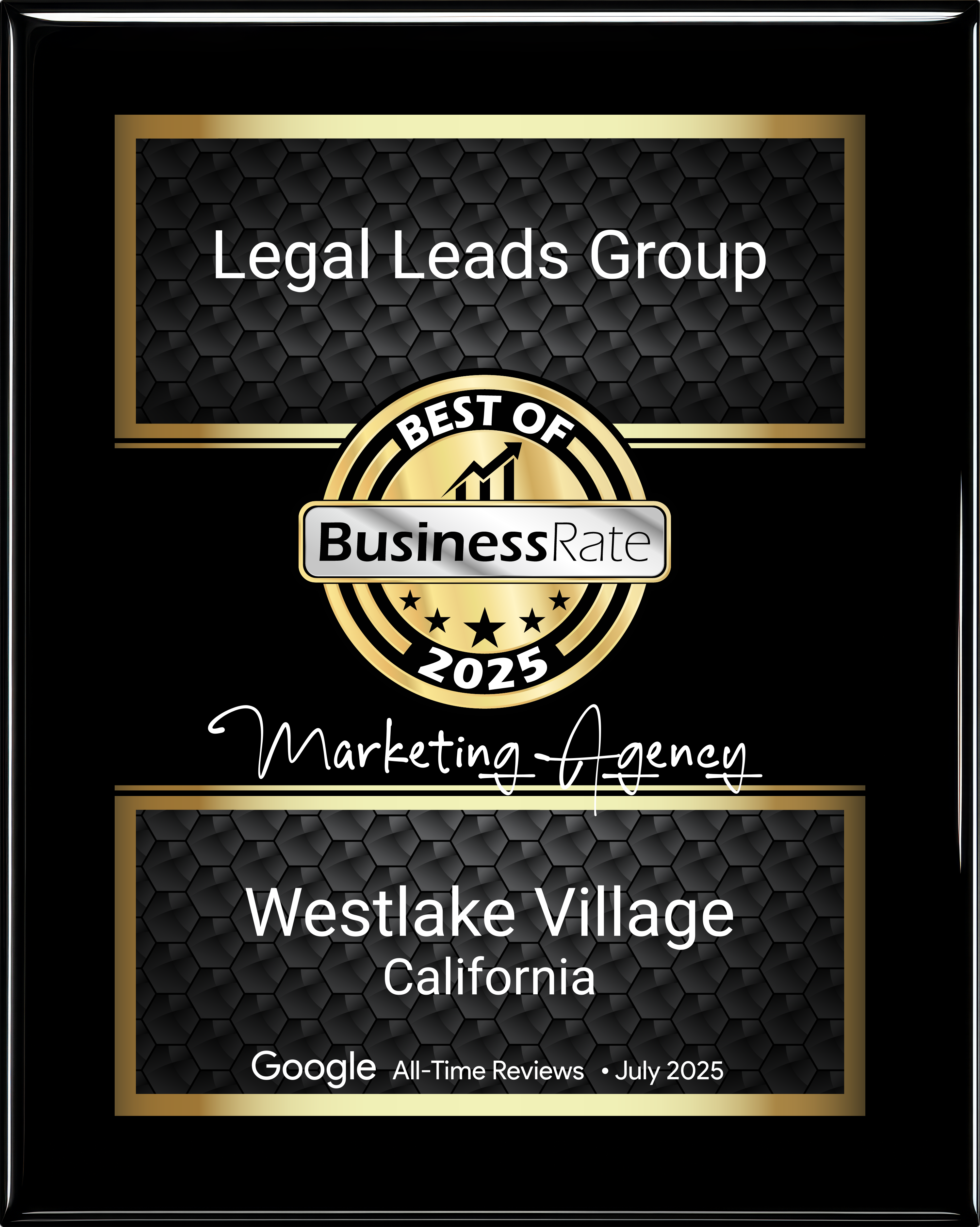
When it comes to delivering high-quality case leads, Legal Leads Group is a standout choice for personal injury attorneys seeking results in a competitive landscape. Legal Leads Group not only generates leads but also nurtures them, transforming interested prospects into signed cases.
How Legal Leads Group Delivers for Personal Injury Attorneys:
- Case Lead Generation Experts: Legal Leads Group specializes in generating highly qualified leads for law firms. Their lead generation strategies are designed exclusively for personal injury attorneys, ensuring that you’re getting prospects who are actively seeking legal help for cases like car accidents, slip and falls, or wrongful death claims.
- 24/7/365 Intake Teams: A major differentiator for Legal Leads Group is their round-the-clock intake services. Their professional intake teams are available 24/7/365 to handle leads, qualify or disqualify prospects, and guide them through the initial intake process. This always-on, high-touch experience ensures every potential client gets the attention they deserve.
- Customizable Plans: Legal Leads Group offers tailored strategies to meet your firm’s specific needs, whether you’re looking for PPC ads on Google, social media campaigns, or SEO optimization to attract new clients. Their end goal is to ensure a steady stream of signed cases for your firm.
Key Takeaway: If you prioritize lead generation and want an experienced team available around the clock to screen and sign new cases, Legal Leads Group is the legal marketing partner you need.
Who is the Best Law Firm Marketing Agency?
With digital marketing playing such a crucial role in the success of personal injury law firms, choosing the right marketing partner is essential. Each of these agencies brings its unique strengths to the table:
- Choose Scorpion for beautifully designed websites and full-service digital campaigns.
- Partner with Rankings.io for unparalleled SEO expertise that delivers first-page rankings.
- Consider BluShark Digital for their track record of proven results supported by glowing client testimonials.
- Opt for FindLaw if you want to boost your local marketing and directory presence to attract nearby clients.
- Select Legal Leads Group for expert lead generation and 24/7/365 intake teams to qualify and secure cases.
By collaborating with an expert marketing agency, you can focus on what you do best—helping clients with their legal needs—while leaving the marketing to specialists who understand the ins and outs of the competitive personal injury landscape.
Call Legal Leads Group to Win at Personal Injury Marketing
When it comes to personal injury law, every lead matters. With competition at an all-time high, your firm needs a reliable partner that not only delivers a steady stream of qualified leads but also ensures they are properly nurtured and signed into cases. That’s where Legal Leads Group stands apart. With our customized marketing strategies and specialized 24/7/365 intake teams, we handle the heavy lifting—allowing you to focus on providing outstanding legal representation to your clients.
Our team is committed to helping your firm grow by connecting you with high-intent prospects who are ready to take the next step toward securing legal help. From Google Ads management and organic SEO to meticulous lead qualification and case intake, every piece of your marketing strategy is tailored to maximize your return on investment. With Legal Leads Group by your side, you can rest assured that no lead will go unnoticed and your pipeline will always be full.
Contact Legal Leads Group today to learn how our proven expertise and innovative tools can give your personal injury law firm the competitive edge it needs. Together, we can help transform inquiries into signed cases and take your firm to the next level in 2026 and beyond!